Wind as a competitive advantage
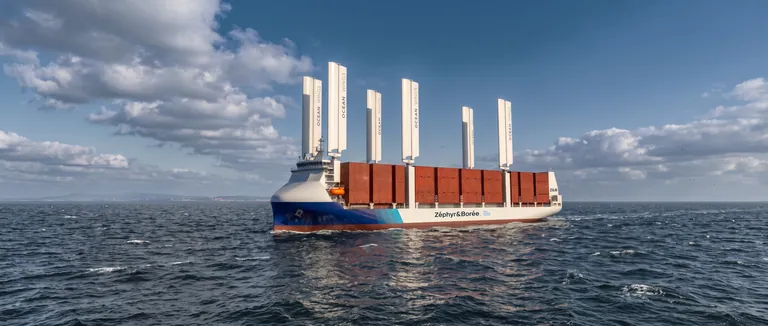
Since 2017, we have turned wind propulsion into an economic and environmental advantage through our integrated expertise in vessel design, financing, ship management and commercial operations.

The expertise to navigate a volatile environment
Selecting a propulsion system is a long-term fleet decision in a market where regulation, energy costs and technology are evolving rapidly. Our operational track record allows us to manage and de-risk wind-propulsion integration, from vessel design and technology selection through to performance monitoring and day-to-day operation. You do not need to become a wind-propulsion specialist; you simply need to choose the right partner.
Discuss your project
Operational control
Wind propulsion, integrated into your operations without disrupting logistics.
Wind propulsion integrates seamlessly into your logistics operations, provided the entire system is managed as one. Vessel design, weather routing, ship operations and performance monitoring are not fragmented across multiple parties. They are managed by a single integrated shipowner, reducing interface risk and maintaining clear responsibility from initial assessment through to commercial operation.
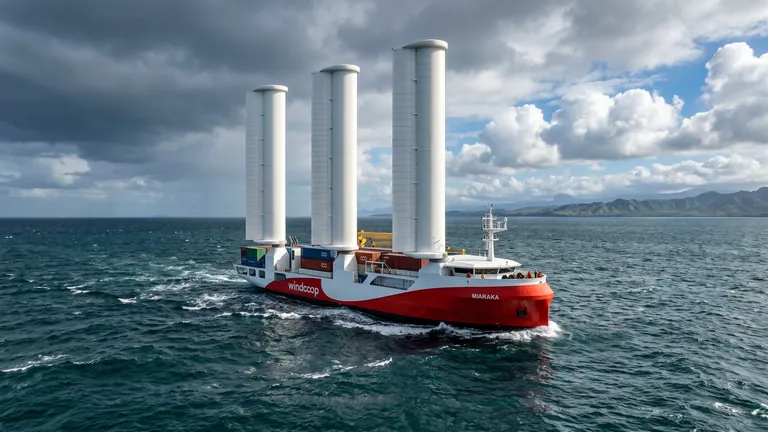
Our independence from wind-propulsion suppliers reinforces this control. We select the technology best suited to the route and operating constraints (whether rigid wings, Flettner rotors or suction sails) based on verified performance, operational fit, lifecycle cost and integration risk, without conflicts of interest.
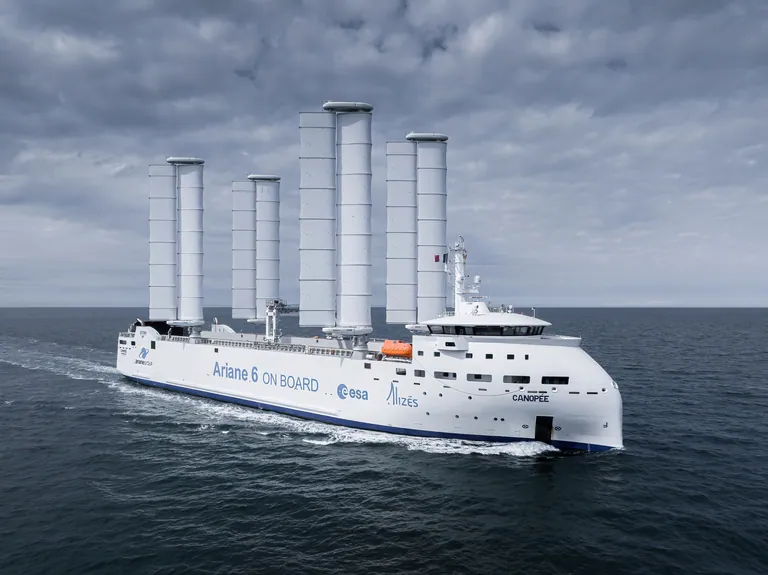
Operational track record from Canopée:
4 years of commercial operation
Zero schedule delays attributable to wind propulsion across all voyages
17 transatlantic rotations completed between Europe and French Guiana

Direct emission reduction at the source
A free source of energy that reduces emissions while stabilising operating costs.
Wind propulsion directly reduces main-engine power demand. Less fuel purchased, less fuel burned, less CO₂ emitted. This reduction is physical, direct and measurable on every voyage, using an agreed performance-monitoring method. Depending on your contractual and reporting boundaries, the resulting data can support Scope 1 or Scope 3 GHG reporting and form part of a credible decarbonisation strategy, without relying on carbon offsets or accounting mechanisms.
Wind acts as a natural hedge against fuel-price volatility. Once the vessel is built, the wind-provided share of propulsion is no longer exposed to energy markets: lower fuel consumption, no alternative-fuel supply chain to secure, no market price to monitor. In a sector marked by volatile bunker prices, this stability provides a structural economic advantage and greater long-term cost visibility.
Data from four years of in-service commercial operations with Canopée:
4 t of fuel saved per day at sea
x 2 greater savings with optimised weather routing
30% reduction in fuel consumption under actual operating conditions
Long-term regulatory readiness
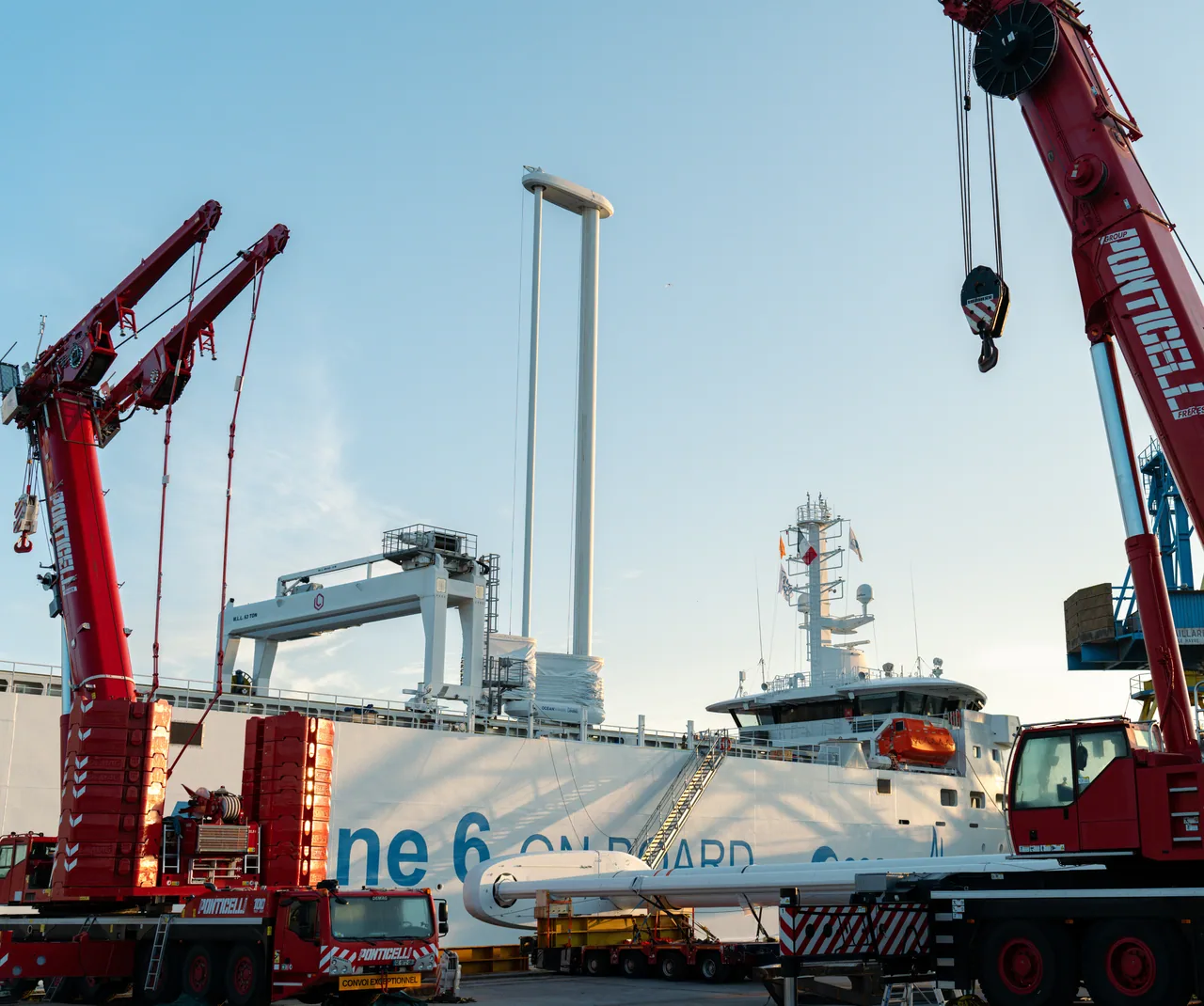
Act today to stay compliant tomorrow.
Regulatory and energy pressures can become a competitive advantage for proactive operators. A newbuild or long-term charter is a multi-year commitment, during which fuel prices, low-carbon-fuel availability and the regulatory framework will continue to evolve. Propulsion selection therefore has a lasting influence on operating costs, compliance exposure and competitiveness.
Zéphyr & Borée manages this decision end to end, with transparent contractual arrangements and measurable performance commitments. We structure and manage financing and technology-integration risks within the agreed scope, turning the adoption of wind propulsion into an informed, de-risked decision.
In an industry where costs fluctuate, standards tighten and technologies evolve, maintaining the status quo is increasingly risky.