Macareux
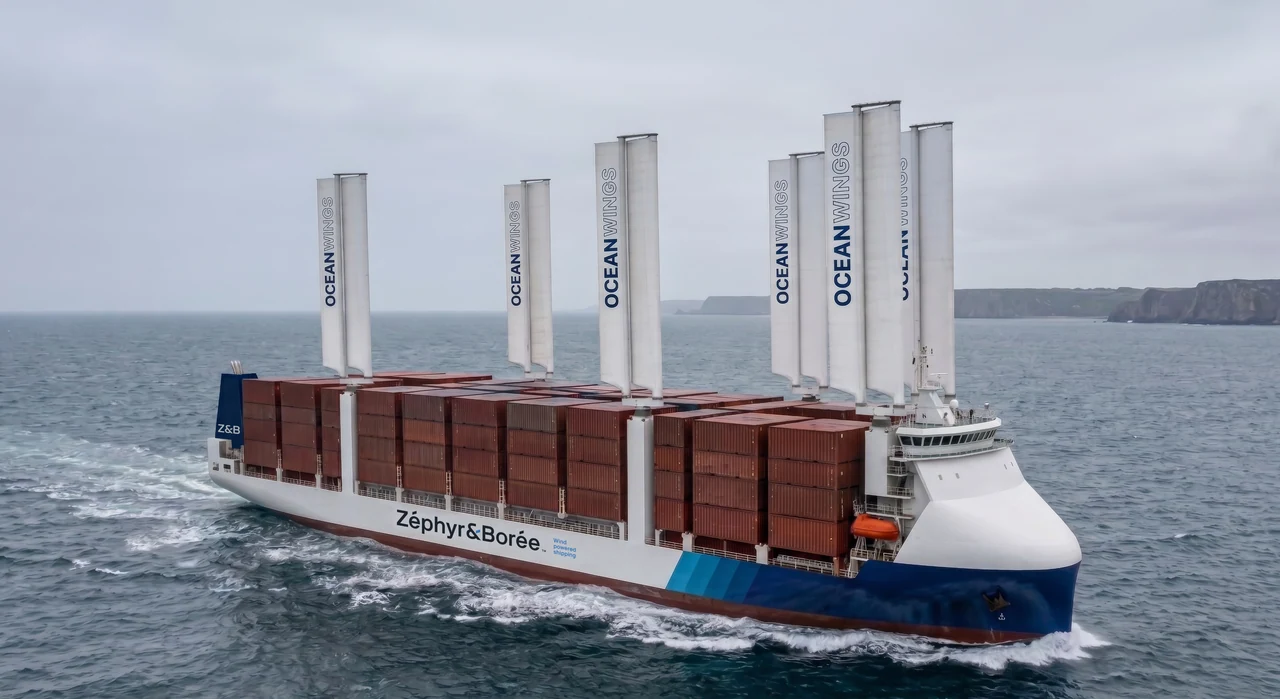
The first wind-assisted transatlantic container line
50%
emission reduction compared with market baseline
2,700 TEU
per vessel
19
shippers already committed
The mission
The Northern Europe–US East Coast trade lane is one of the most stable container markets in the world, and one of the most exposed to upcoming regulatory constraints: EU ETS, FuelEU Maritime and IMO carbon pricing. The low-carbon solutions available today rely almost exclusively on offsetting mechanisms or mass-balance biofuels, with no verifiable physical reduction. This is precisely the gap the North Atlantic Wind Line is designed to fill: an independent, reliable service with a carbon footprint 50% below the market reference.
The vessels
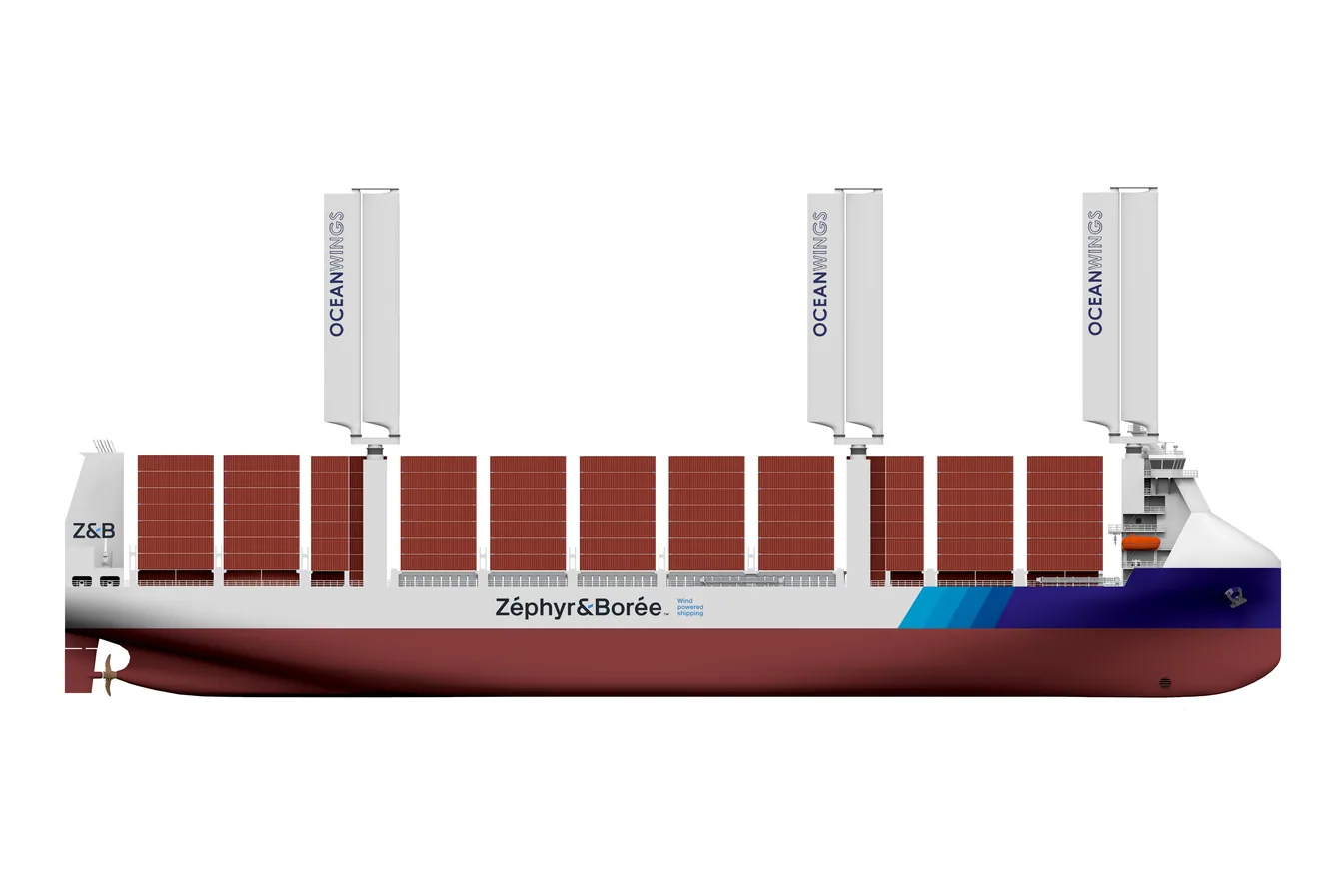
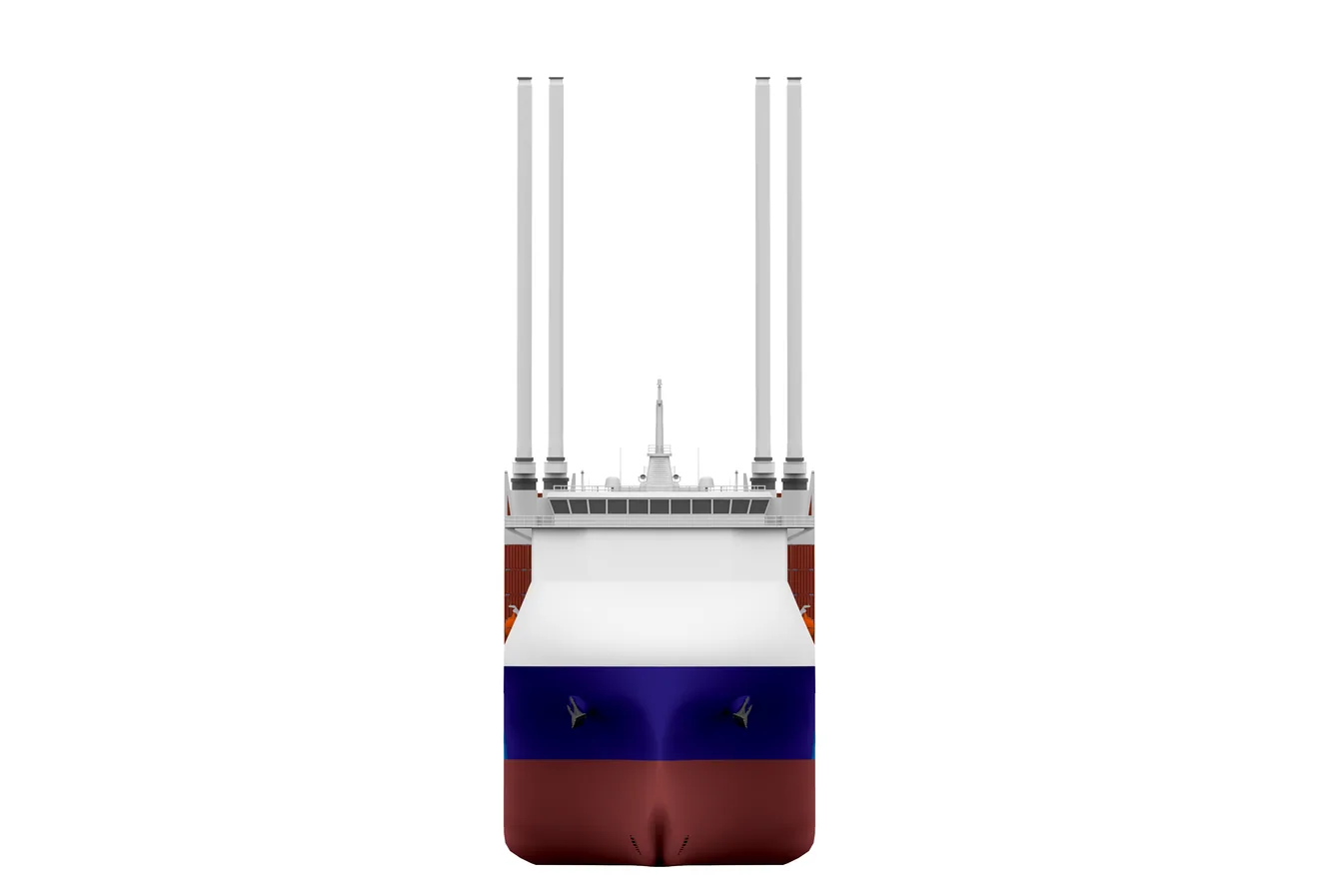
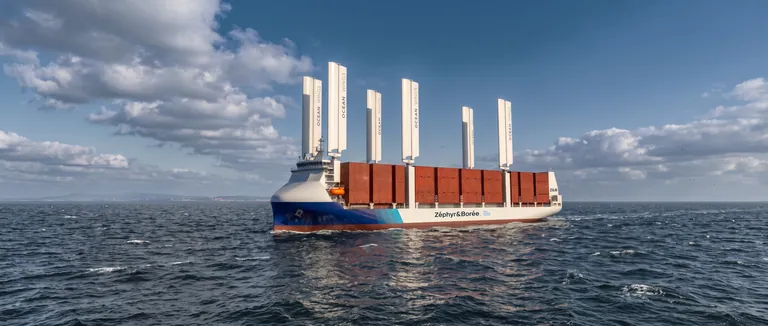
188.8 m
in length
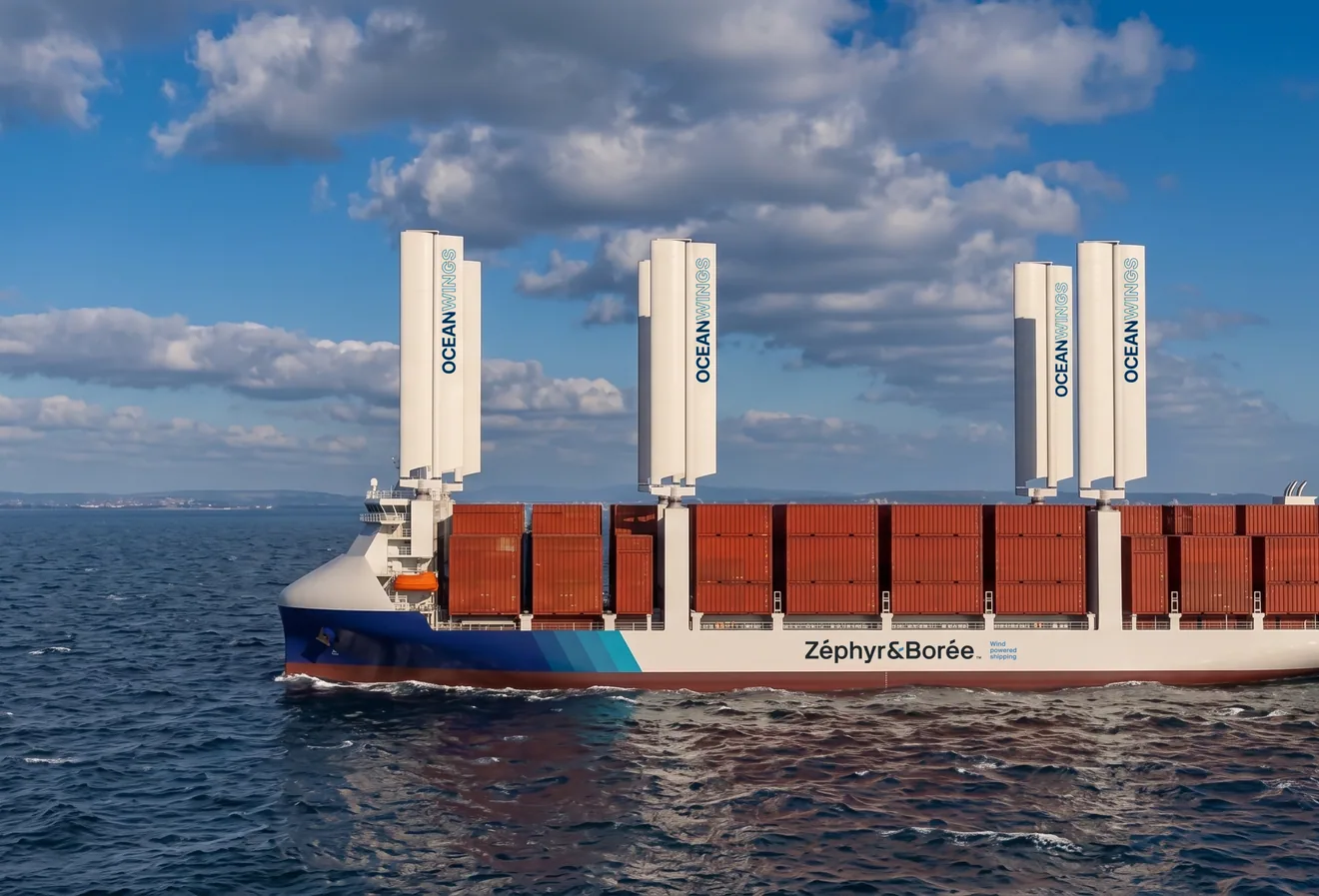
6 rigid wingsails
OceanWings of 363 m² each
Hybrid propulsion
diesel + PTI/PTO, shore-power ready (cold ironing)
4 ports
Antwerp, Le Havre, Philadelphia, Charleston
Performance and impact
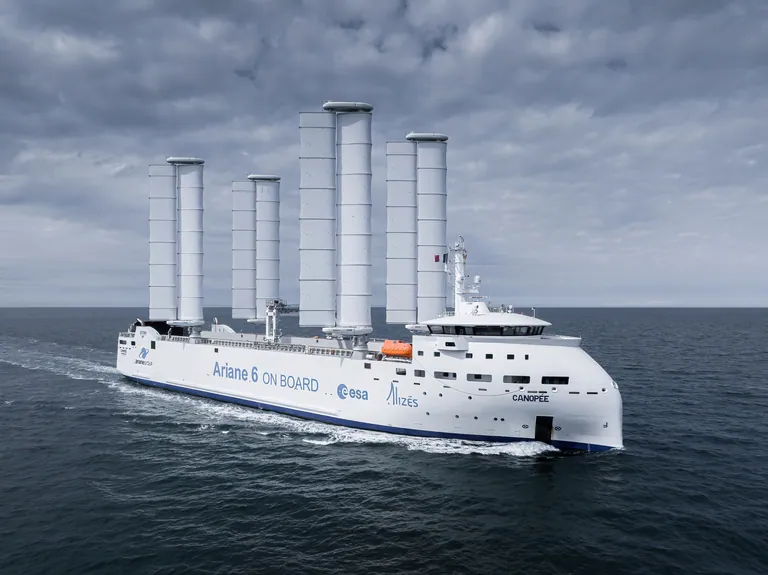
Four years of operational data on Canopée confirm our performance models: savings of up to 1.3 tonnes of fuel per wingsail per day at sea. On the Macareux vessels, six OceanWings reduce fuel consumption by more than 50% under nominal wind conditions, with a projected carbon intensity of 38 gCO₂e/TEU-km. Committed shippers benefit from direct, traceable and audited emissions reductions, compatible with their SBTi commitments and CSRD reporting.
Discuss your projectHow Z&B delivers this project
Zéphyr & Borée designed the vessels, structured the transatlantic line and brought together the founding shippers. Nineteen shippers have already joined the initiative, including Michelin (founding partner), Hennessy, Coty, Moët Hennessy, Kuehne+Nagel and CEVA Logistics. The project is financially backed by Épopée Gestion, ADEME Investissement and SOPER.
Discover our services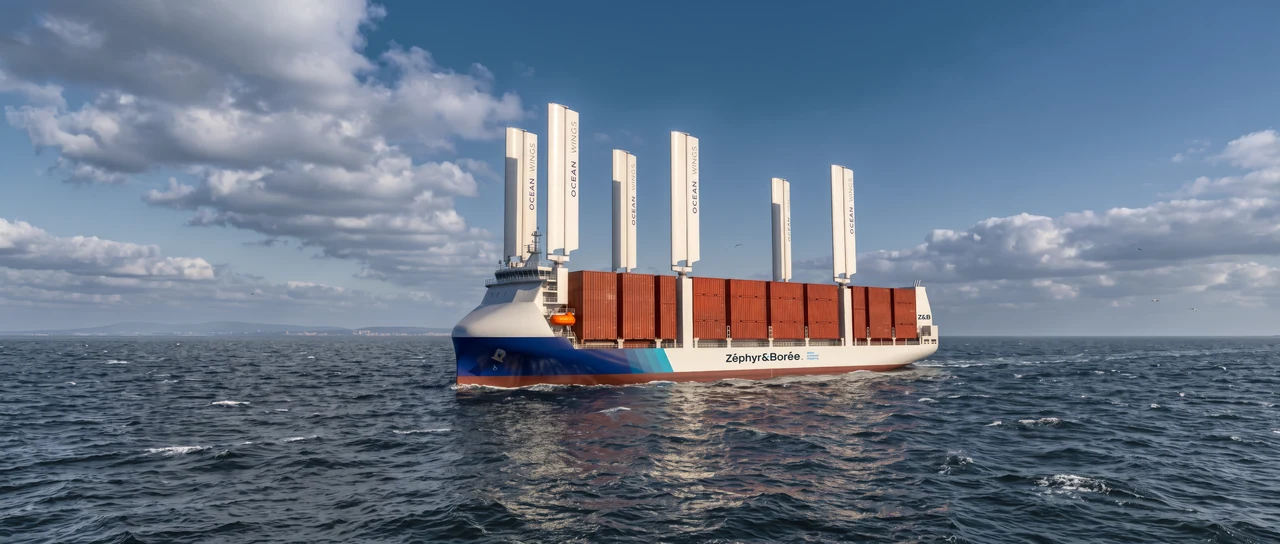
Committed shippers & partners





















- Hennessy


- SOPER
“We know that freight rates will experience significant volatility in the coming years. By committing to a ten-year agreement with Zéphyr & Borée, Michelin supports maritime innovation while simultaneously hedging part of our exposure to transatlantic freight risk and accessing a truly decarbonised logistics solution.”